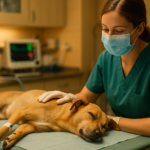
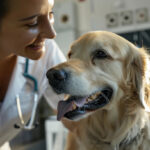
There is a specific kind of silence that fills a veterinary exam room when we discuss where a new pet came from. Sometimes, it is the excited chatter of a family who just picked up a puppy from a breeder. But more often, and more profoundly, it is the deep, contented sigh of a client who tells me, “He was a rescue. He saved me just as much as I saved him.”
In my 20+ years of practicing veterinary medicine in Southern California, I have treated thousands of animals. I have performed orthopedic surgeries on shelter dogs with broken legs who had no one else to advocate for them. I have watched terrified, shut-down cats blossom into loving companions. And I have seen firsthand the undeniable truth: adopting a pet is one of the most impactful decisions you can make—not just for the animal, but for your own life. Every year, approximately 6.3 million companion animals enter U.S. animal shelters. Yet, only about 4.1 million are adopted. That leaves a gap—a heartbreaking gap—where healthy, loving animals wait for homes that never come. Choosing to adopt isn’t just about getting a pet; it’s about breaking a cycle, saving a life, and experiencing a bond that is uniquely forged in gratitude.
The Ethical, Financial, and Emotional Case for Adoption
1. Saving a Life (and Making Space for Another)
When you buy a puppy from a pet store or an online breeder, you are a customer. When you adopt from a shelter or rescue, you are a lifesaver. According to the ASPCA’s Pet Statistics, approximately 920,000 shelter animals are euthanized annually. While this number has decreased significantly from 2.6 million in 2011, it remains a staggering statistic representing lives cut short simply due to lack of space.
Adopting one animal does double duty: you save the animal you take home, and you free up a kennel space for another animal in desperate need. It is a direct, tangible contribution to solving the overpopulation crisis.
2. Fighting Back Against Puppy Mills
Many people unknowingly support puppy mills when buying online or from pet stores. These high-volume breeding facilities prioritize profit over welfare. Animals are often kept in overcrowded, unsanitary cages, denied proper veterinary care, and bred until they are physically exhausted. By adopting, you refuse to fund this cruelty. You vote with your wallet for a world where animals are treated with dignity, not as inventory.
3. The Unique Bond of a Rescue Pet
There is anecdotal evidence shared by nearly every vet and rescue owner I know: rescue pets seem to know. Whether it is a dog who was abandoned or a cat who lived on the streets, adopted animals often display a profound level of loyalty and affection. They bond deeply with the humans who offer them a second chance. This emotional reward is something money simply cannot buy.
The Financial Reality: Adoption vs. Buying
One of the most practical reasons to adopt is the cost. Buying a purebred puppy can easily cost between $500 to $3,000+, depending on the breed. And that is just the purchase price. You then have to pay for spaying/neutering, initial vaccines, and microchipping out of pocket.
In contrast, adoption fees are a bargain that typically includes hundreds of dollars worth of veterinary care. Here is a breakdown of what you save:
| Expense Item | Cost if Buying (Approx.) | Cost if Adopting (Included) |
| Initial Purchase/Fee | $1,000 – $3,000+ | $50 – $350 (Adoption Fee) |
| Spay/Neuter Surgery | $300 – $500 | Included |
| Initial Vaccinations | $150 – $250 | Included |
| Microchip & Registration | $50 – $75 | Included |
| Deworming/Parasite Tx | $50 – $100 | Included |
| Total First-Year Cost | $1,550 – $3,925+ | $50 – $350 |
By adopting, you are essentially getting a “starter pack” of veterinary care that sets your pet up for health without breaking your bank account. This allows you to budget for high-quality food, training, and future preventative care at Slaton Veterinary Hospital.
The 3-3-3 Rule: Setting Realistic Expectations
Bringing a new pet home is exciting, but it can also be stressful for the animal. At Slaton Vet, we counsel new owners to follow the 3-3-3 Rule regarding the decompression period. Understanding this timeline is crucial for a successful adoption.
1. The First 3 Days: Decompression
Your new pet may be overwhelmed. They don’t know you, your home, or your routine. They may hide, refuse to eat, or sleep excessively. This is not “bad behavior”—it is fear.
- Veterinarian’s Advice: Give them a safe, quiet space (like a crate or a spare room). Do not force interaction. Let them come to you.
2. The First 3 Weeks: Learning the Routine
They start to settle in. Their personality begins to emerge. However, this is also when behavioral issues might appear as they test boundaries. They are learning when meals happen, where to go to the bathroom, and who is in charge.
- Veterinarian’s Advice: Establish a consistent routine immediately. Feed, walk, and sleep at the same times daily. Consistency creates security.
3. The First 3 Months: Feeling at Home
By this point, your pet likely trusts you. They know they are “home.” You will see their true temperament, and the bond will deepen significantly.
- Veterinarian’s Advice: This is the perfect time to start formal training or obedience classes if you haven’t already. Positive reinforcement strengthens your bond.
Finding the Right Pet: Seniors, Purebreds, and More
A common myth is that shelters only have “problem dogs” or mutts. The reality is quite different.
1. The Hidden Gem: Senior Pets
Puppies and kittens are adorable, but they are also exhausting. They require constant supervision, house training, and patience for chewing/scratching phases. Senior pets, on the other hand, are often “plug-and-play.”
- Already House-Trained: Most senior dogs know to do their business outside.
- Calm Demeanor: They are past the destructive puppy energy phase.
- Known Personality: What you see is what you get. You don’t have to guess how big they will get or what their temperament will be.
Adopting a senior pet is an act of pure compassion. These animals often end up in shelters due to the death of an owner or financial hardship, not because of their own behavior. Giving them a soft place to land for their golden years is incredibly rewarding.
2. Purebreds in Shelters
If you have your heart set on a specific breed, you don’t necessarily need a breeder. Approximately 25% of shelter dogs are purebred. Additionally, there are breed-specific rescue groups for almost every breed imaginable, from Golden Retrievers to French Bulldogs. At Slaton Veterinary Hospital, we work closely with various rescue groups in Southern California. We often see purebred animals who simply need a minor medical procedure or a little time to recover before being ready for a forever home.
Your Adopted Pet’s First Vet Visit
Once you have adopted your new family member, your next stop should be Slaton Veterinary Hospital. Even though shelter pets receive basic care, a comprehensive wellness exam is vital to establish a health baseline.
What We Check During the First Visit:
- Comprehensive Physical Exam: We check eyes, ears, heart, lungs, and joints. Shelter environments can sometimes harbor upper respiratory infections (like kennel cough), so we listen closely to their breathing.
- Fecal Analysis: Intestinal parasites are common in shelter environments. We will test a stool sample to ensure your pet is parasite-free and safe to be around your family and other pets.
- Microchip Verification: We scan the microchip to ensure it is readable and help you register it with your current contact information.
- Nutrition Consultation: Many rescue pets may be underweight or have dull coats from poor nutrition. Dr. Slaton and our team will recommend a diet plan to get them back to peak health.
Slaton Veterinary Hospital: A Partner to Rescue Pets
Dr. Daniel Slaton’s passion for veterinary medicine began in childhood and has flourished over 20+ years of practice. A significant part of his career has been dedicated to working with Rescue Groups throughout Southern California. He frequently performs complex orthopedic and soft tissue surgeries on rescue animals that other clinics might turn away, giving them a second lease on life.
Why Choose Slaton Vet for Your Rescue Pet?
- Experience: Decades of experience specifically treating the unique health needs of shelter animals.
- Walk-In Appointments: We know that adoptions can happen spontaneously. We offer walk-in availability so you can get your new pet checked out immediately.
Compassion: We treat every patient as if they were our own. We understand the special patience required for a nervous rescue dog or a shy shelter cat.
Ready to Welcome a New Family Member?
If you have recently adopted a pet, congratulations! You have made a life-saving decision. The team at Slaton Veterinary Hospital is honored to be part of your journey. Let us help you start this new chapter on the right paw with a comprehensive wellness exam. Slaton Veterinary Hospital
3900 E. Thousand Oaks Blvd, Suite 105
Westlake Village, CA 91362
Phone: (805) 496-0695
Recent Posts
-
 Why Adopting a Pet is Better Than Buying: A Veterinarian’s Perspective
 -
Pet Microchip 101: Your Ultimate Guide to Keeping Dogs and Cats Safe
-
Cat Care Essentials: How to Keep Your Feline Friend Happy and Healthy
-
Expert Dog Surgery in Ventura County: What Every Pet Parent Should Know
-
The Importance of Regular Wellness Exams for Your Pet’s Health